
Skid Steer Loader: A Practical Buyer's and Applications Guide
Skid steer loader guide for buyers: how the machine works, attachment selection, electric options, and what to check before you buy a skid steer loader.
A skid steer loader is a compact, rigid-frame machine that turns by driving its left and right wheels at different speeds, so it pivots almost on the spot. That single design decision is why the machine is so common on crowded sites: it can work in a lane width, spin 180 degrees, and change tools in under a minute through a quick-attach plate. This guide explains how the machine actually works, which specifications decide whether a unit suits your job, how attachments change its economics, and what to verify before you buy a skid steer loader for a fleet or a single project.
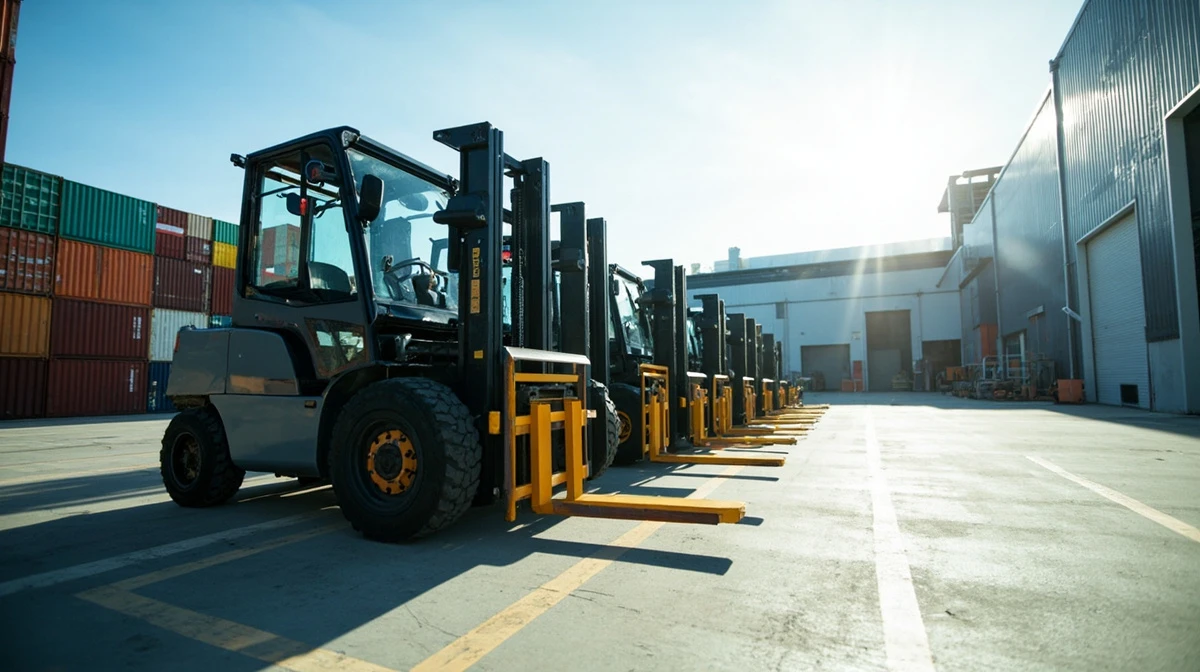
How a Skid Steer Loader Actually Works
The machine has a short wheelbase, a low centre of gravity and two independent hydraulic drive circuits. Steering is differential: to turn left, the right side runs faster than the left; to spin in place, one side reverses. Because the wheels must scrub sideways during a turn, tyre wear is higher than on an articulated loader — a normal trade-off for the manoeuvrability.
Lift arms run along both sides of the operator cab and pivot at the rear. Loader capacity is therefore governed by two separate limits that buyers often confuse:
- Rated operating capacity (ROC) — the load the machine is rated to carry through a full lift and travel cycle, usually set at roughly half the tipping load for stability margin.
- Tipping load — the point at which the machine would physically tip forward with the load raised. It is a test figure, not a working figure.
Hydraulic flow is the second defining number. A standard-flow machine runs buckets, forks and grapples comfortably. High-flow machines add capacity for planers, cold mills, brush cutters and stump grinders that need continuous oil volume rather than pressure alone. If you plan to run powered attachments, flow and pressure ratings matter more than engine horsepower.
Wheeled or Tracked, Diesel or Electric
Wheeled skid steers are faster on hard ground, cheaper to run on tyres, and easier to road or transport. Tracked versions spread weight better and float over soft, wet or finished surfaces, which is why they dominate landscaping and muddy site work.
On the drivetrain side, diesel remains the default for heavy continuous duty. An electric skid steer loader is the more interesting development for enclosed or urban work: no exhaust emissions at the point of use, far lower noise, fewer fluids to service, and instant torque from zero speed. The practical limits are duty cycle and charging infrastructure — battery capacity, charger availability on site, and whether the machine works a full shift or short bursts between other tasks. Match the drivetrain to the shift pattern, not to the brochure.
Attachments Decide What the Machine Can Earn
A bare loader with a bucket is a digging and loading tool. The same machine with the right attachment becomes a sweeper, a trencher, a forklift or a breaker. This is why the attachment ecosystem — not the base machine — usually determines return on investment.
Common categories you will see listed as skid steer loader attachments for sale:
- Material handling: buckets, pallet forks, grapples, bale spears, hydraulic clamps.
- Site prep: trenchers, augers, breakers, vibratory rollers, landscape rakes.
- Ground care: rotary cutters, stump grinders, sweepers, snow blades and blowers.
- Specialist: planers, concrete mixers, and backhoe attachments.
A skid steer backhoe loader configuration — a rear-mounted digging arm on the quick-attach plate — extends the machine into trenching and foundation work that would otherwise need a separate excavator. It is a compromise: reach and digging depth are naturally less than a dedicated excavator, but it removes a second machine from the transport list on small jobs.
Quick-attach compatibility
Most modern loaders use a common quick-attach interface, which is what allows attachments to move between machines and brands. Before ordering any attachment, confirm three things: the attach style, the hydraulic flow it requires, and its rated capacity relative to your loader's ROC. An attachment rated above the host machine's capacity is a safety problem, not a productivity upgrade.
How to Compare Skid Steer Loaders Before You Buy
Comparison shopping is easier when you separate the numbers that affect safety and productivity from the ones that only affect comfort. The table below sets out the questions to ask of any supplier, whatever the brand.
| What to check | Why it matters | What to ask the supplier |
|---|---|---|
| Rated operating capacity | Determines safe working load with every attachment | ROC figure and the tipping load it is derived from |
| Hydraulic flow and pressure | Decides which powered attachments will run properly | Standard vs high-flow rating, in L/min and bar |
| Lift height and reach | Governs truck loading and hopper charging | Pin height and dump reach at full lift |
| Attach interface | Controls which attachments fit without adapters | Attach style and plate dimensions |
| Service access | Affects downtime and daily maintenance time | Filter, oil and grease point locations |
| Parts availability | The real cost of an import machine | Consumable list, lead times and local stock |
Two questions come up constantly in buyer conversations. The first is which is the best skid steer loader — the honest answer is the one whose ROC, flow and service network match your work, not the one with the largest engine. The second is about the biggest skid steer loader class: larger frames lift more and run high-flow attachments, but they also need wider access, more transport capacity and more fuel. Size up only when the load chart demands it.
Sourcing and Importing: What Buyers Ask About Chinese Machines
Search interest in a cheap chinese skid steer or a chinese skid steer for sale is driven by a simple calculation: capital cost per working hour. The calculation only holds up if the machine is supported. When evaluating any imported loader, including units sold under names such as ASV or Mustang that buyers compare against, work through the same checklist:
- Confirm the ROC and flow figures in writing, not just in a photo caption.
- Ask which hydraulic components and engines are used, and whether those parts are available in your region.
- Request the attachment list with capacity ratings for each item.
- Check shipping terms, container loading method and whether the machine ships with a bucket and counterweight fitted.
- Confirm warranty terms, spare parts kits and technical documentation in your language.
Impetus has supplied compact and materials-handling equipment to buyers in more than 150 countries for over two decades, and the same sourcing discipline applies whether the machine is a skid steer loader or a 3-ton diesel forklift. If your site work mixes yard handling with compact loading, it is often worth comparing a loader against a conventional truck — our guide to equipment selection and fleet planning covers where the two overlap. You can review the wider range in the Impetus forklift and equipment catalog or browse all product categories to see how attachments and material handling equipment fit together.
Frequently Asked Questions
What is the difference between a skid steer loader and a compact track loader?
The core machine is the same — rigid frame, differential steering, quick-attach plate. The difference is the undercarriage: wheels versus rubber tracks. Wheels are faster and cheaper on hard surfaces; tracks give lower ground pressure and better traction in mud, sand and on finished landscaping.
Can a skid steer loader run a backhoe attachment?
Yes. A skid steer backhoe loader setup mounts a digging arm on the quick-attach plate and is used for trenching, footings and utility work. Expect less reach and digging depth than a dedicated excavator of similar size, but it removes a second machine from the job.
Is an electric skid steer loader suitable for full-shift work?
It depends on the duty cycle. Electric machines suit indoor demolition, cold stores, urban sites and short-cycle loading where noise and emissions are restricted. For continuous heavy digging across a long shift, confirm battery capacity and charging arrangements with the supplier before committing.
Next Step
Before you buy a skid steer loader, write down the three numbers that will decide the purchase: the heaviest load you will lift, the hydraulic flow your most demanding attachment needs, and the narrowest gap the machine must pass through. Send those three figures to our team and we will tell you which configuration fits — and which attachments should ship with it. Contact Impetus for a quote and we will respond with specifications, attachment options and shipping details for your market.