
Forever Twilight Fork Collection: A Forklift Owner's Guide
The forever twilight fork collection is a practical way to think about forklift fork selection, wear and load safety. Learn how to match forks to your truck.
The forever twilight fork collection is the working set of forks a fleet keeps in rotation — the pair on the truck, the spare pair on the rack and the specialty pair reserved for one awkward load. Unlike a display collection, these forks carry tonnage every shift, and the moment a fork is mismatched, worn or overloaded, the truck's rated capacity no longer means what the data plate says. This guide explains how to build a fork collection that stays safe, how to match forks to Impetus diesel and electric forklifts, and when to retire a fork from service.
What the forever twilight fork collection means in a working fleet
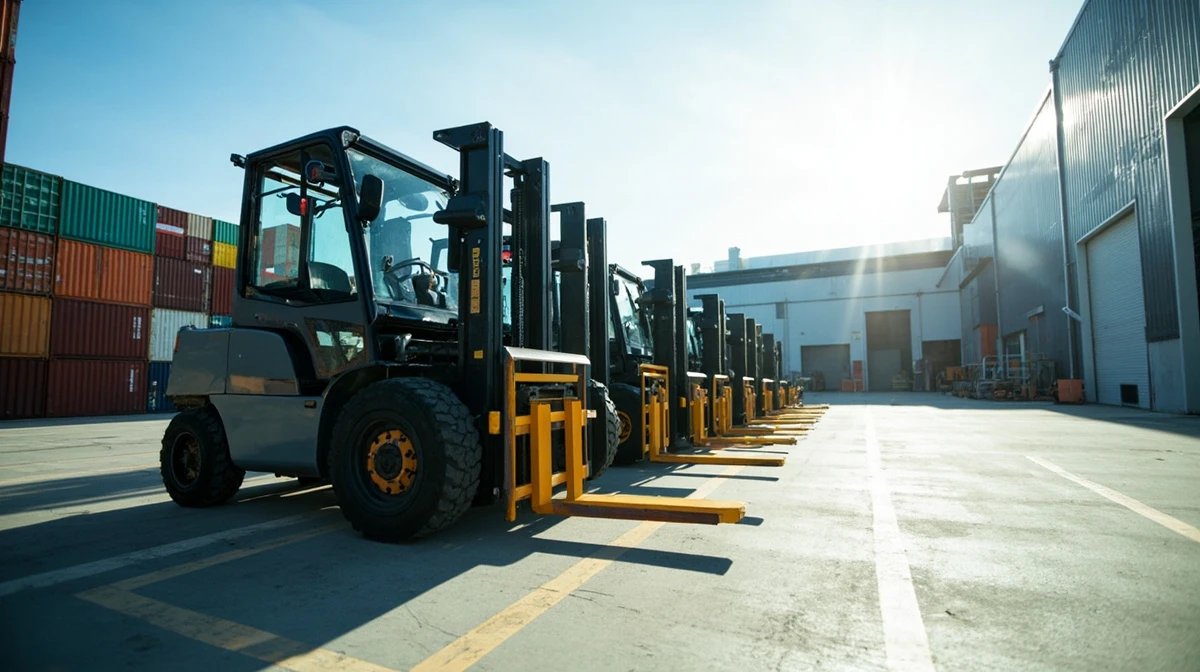
In material handling, the phrase describes the forks that are always in service — not the ones in a museum case. A typical fleet carries three tiers: the primary forks mounted on each truck, a spare set for changeovers, and application-specific forks such as longer or wider styles for oversized loads. Managing that collection is a capacity exercise, not a storage exercise.
Every fork has a rated capacity at a specified load centre. When you change fork length, you move the load centre, and the truck's remaining capacity changes with it. That is why a fork collection should be documented truck by truck, with the fork length, section and capacity recorded alongside the model number.
Matching forks to Impetus truck models
Impetus builds diesel, electric, LPG and off-road forklifts from 1.5 tonnes to 12 tonnes, and the fork specification should follow the truck's duty cycle rather than the other way round. The table below summarises the main families and where they typically sit in a fleet.
| Family | Example models | Rated capacity | Typical fork role |
|---|---|---|---|
| Diesel forklift | FD20, FD25, FD30, FD35, FD38, FD40, FD50, FD60, FD70, FD80, FD100, FD120C | 2,000–12,000 kg | General cargo, yard and loading dock work |
| Electric forklift | FB15, FB20, FB25, FB30, FB35, FB40, FB45, FB50, FB60, FB100 | 1,500–10,000 kg | Indoor warehousing, clean and quiet operation |
| LPG forklift | FG15, FG18, FG20, FG25, FG30, FG35, FG40 | 1,500–4,000 kg | Mixed indoor/outdoor duty |
| Reach truck | R15, R20-45C, YF-Reach | 1,500–3,000 kg | Narrow-aisle pallet handling |
| Off-road forklift | RT25, RT30, RT35, RT40 | 2,500–4,000 kg | Construction sites and uneven ground |
For the full model list and current specifications, see the Impetus forklift and equipment catalog.
How to build a fork collection that stays safe
A fork collection is only as good as its inspection record. Forks bend, wear at the heel and crack at the weld, and a worn fork loses capacity before it looks visibly damaged. Build the collection around four rules:
- Record the fork data. Log fork length, section thickness and rated capacity against each truck's model number.
- Inspect at the heel. The heel is where wear concentrates; measure it at every scheduled service.
- Keep spares matched. A spare pair should match the primary pair in length and capacity, not just in pin type.
- Retire on evidence. Replace forks when measured wear or cracking exceeds the manufacturer's limit — not when they fail.
When to add attachments and specialty forks
Some loads never fit a standard pair. Impetus supplies forklift attachments that change how the truck presents the load, and each attachment affects the remaining capacity. Before adding one to the collection, confirm the attachment's own rating and the derated capacity of the host truck.
Common collection additions
- Longer forks for low-density, deep loads
- Wider fork spreads for unstable pallets
- Attachments for handling specialised shapes
The same principle applies across the range, from a 2-tonne electric forklift in a warehouse to a 12-tonne diesel unit in a port yard: the fork is the interface between the truck and the load, and it must be rated for the job.
Buying replacement forks without guesswork
Replacement forks are often bought by pin type alone, which is how mismatched collections start. A better order of questions is: what is the truck model, what is the rated capacity at the required load centre, what fork length does the load need, and what inspection record will the new forks enter? Answer those four and the purchase becomes a specification rather than a guess.
For fleets running mixed brands, keep a single register that lists every truck, its fork set and the last inspection date. That register is the difference between a managed collection and a shelf of unidentified steel.
FAQ
What is the forever twilight fork collection?
In a fleet context, it is the set of forklift forks kept in service across a site — primary, spare and specialty forks — managed by capacity, length and inspection record. It is a maintenance and procurement concept, not a product line.
Can I put longer forks on my forklift?
Only if the truck's remaining capacity at the new load centre is confirmed. Longer forks move the load centre forward and reduce the capacity the truck can safely handle. Check the data plate and the fork rating before changing length.
How often should forks be inspected?
Forks should be inspected at every scheduled service and after any incident that could have overloaded them. Wear at the heel and any cracking are the key checks; replace forks when measured wear exceeds the manufacturer's limit.
Next step
If you are building or rebuilding a fork collection, start with the truck list. Send Impetus your model numbers, load weights and load centres, and our team will help you match forks and attachments to the right diesel, electric, LPG or off-road truck. Contact Impetus for a quote or browse the Impetus news and guides for more fleet maintenance topics.