
Electric Hoist Chain: Selection and Safe Use in Forklift Operations
Learn how to specify an electric hoist chain for industrial lifting: chain grade, load capacity, duty cycle, braking and inspection. Impetus explains the essentials.
An electric hoist chain is the load-bearing link between a motorised hoist and the material being lifted. In forklift and warehouse operations, it is often the component that determines whether a lift is smooth, repeatable and safe — or a source of downtime and risk. This guide explains how the chain works, how to match it to the hoist and the load, and what to check before every shift. It is written for buyers, maintenance planners and operators who need practical answers rather than marketing claims.
What an electric hoist chain does and why it matters
Inside an electric chain hoist, the chain runs over a pocketed sprocket driven by a geared motor. As the sprocket turns, the chain is pulled in or paid out, raising or lowering the load. The chain is not a simple rope substitute: its pitch, link geometry and surface hardness are engineered to engage the sprocket precisely, distribute load across multiple links and resist wear under repeated cycling.
Because the chain carries the full load, its condition directly affects safety. A stretched or corroded chain can jump a sprocket pocket, bind in the guide or fail under load. That is why hoist manufacturers specify chain grade, number of falls and inspection intervals — and why operators should never substitute a chain from an unknown source.
Key components of a chain hoist system
A complete electric chain hoist assembly includes several parts that must work together:
- Electric motor and gearbox — provides lifting power and controls speed. Single-speed units suit simple lifts; dual-speed or variable-frequency units give finer control for positioning.
- Chain sprocket — machined to match the chain pitch. Wear here accelerates chain wear, so sprocket and chain should be inspected together.
- Load chain — usually a high-strength alloy steel chain in a specific grade. The number of falls (chain runs supporting the load) affects capacity and lift height.
- Brake — holds the load when power is removed. Most industrial hoists use a motor brake or a mechanical load brake; both require periodic adjustment or replacement.
- Chain container or guide — collects slack chain and prevents tangling, especially on high-lift units.
- Control pendant and limit switches — allow the operator to raise, lower and stop the load, with upper and lower limits to prevent over-travel.
On forklift-based lifting, the hoist may be mounted on a jib or a fork-mounted attachment. In those cases, the chain and hoist must be rated for the dynamic loads created by vehicle movement, not just static lifting.
How to specify the right electric hoist chain
1. Start with the load, not the chain
Calculate the heaviest load you will lift, then add a margin for attachments, shock loading and uneven centre of gravity. Hoist capacity is rated for a specific number of chain falls and lift height; changing either can reduce the safe working load. Never assume a chain that fits the sprocket is adequate for a heavier load.
2. Match chain grade and pitch to the hoist
Chain grade, pitch and inside width are hoist-specific. A chain of the same pitch but a lower grade may not have the fatigue strength required for frequent lifting. Always source replacement chain from the hoist manufacturer or a supplier who can confirm the grade and traceability.
3. Confirm duty cycle and environment
Duty cycle describes how often the hoist runs and how long it rests. Frequent, repetitive lifting generates heat in the motor and brake and accelerates chain wear. In dusty, humid or corrosive environments, chain lubrication and surface protection become more important. For clean indoor warehouses, a standard chain may be sufficient; for outdoor or wash-down areas, specify a chain with appropriate corrosion protection.
4. Check lift height and chain length
Chain length must allow the hook to reach the lowest point of the lift without running out of chain, while leaving enough slack for the chain container. Too little chain can damage the hoist; too much can cause tangling.
Electric hoist chain vs. other lifting methods
| Consideration | Electric hoist chain | Wire rope hoist | Manual chain hoist |
|---|---|---|---|
| Lifting speed | Fast, repeatable | Fast, suited to long lifts | Operator-dependent, slow |
| Precision positioning | Good with dual-speed or VFD control | Good | Limited |
| Maintenance focus | Chain wear, sprocket, brake | Rope inspection, drum, sheaves | Chain and brake |
| Typical use | Workstations, production lines, warehouse lifting | High lifts, heavy duty cycles | Occasional lifts, no power available |
Electric chain hoists are generally preferred where lifting is frequent and the load is moderate, because the chain is compact, easy to inspect and less prone to spooling problems than wire rope. For very high lifts or extreme duty, wire rope may be more suitable. The right choice depends on the application, not on a single specification.
Inspection and maintenance essentials
Chain failure is usually progressive, not sudden. A short pre-shift check and a documented periodic inspection catch most problems early.
- Pre-shift: look for twisted, kinked or visibly damaged chain; check that the hook latches and that the chain feeds smoothly through the guide.
- Weekly: inspect for corrosion, worn links and elongation. Measure chain wear against the manufacturer's limit — typically expressed as a percentage of original pitch.
- Periodic: have a competent person inspect the chain, sprocket, brake and limit switches. Replace chain and sprocket together if either is worn beyond limits.
- Lubrication: follow the hoist manual. Over-lubrication can attract abrasive dust; under-lubrication accelerates wear.
Keep records of inspections and replacements. In many jurisdictions, documented inspection is a legal requirement for lifting equipment, and it also helps you spot recurring issues before they cause downtime.
Integrating hoists with electric forklift fleets
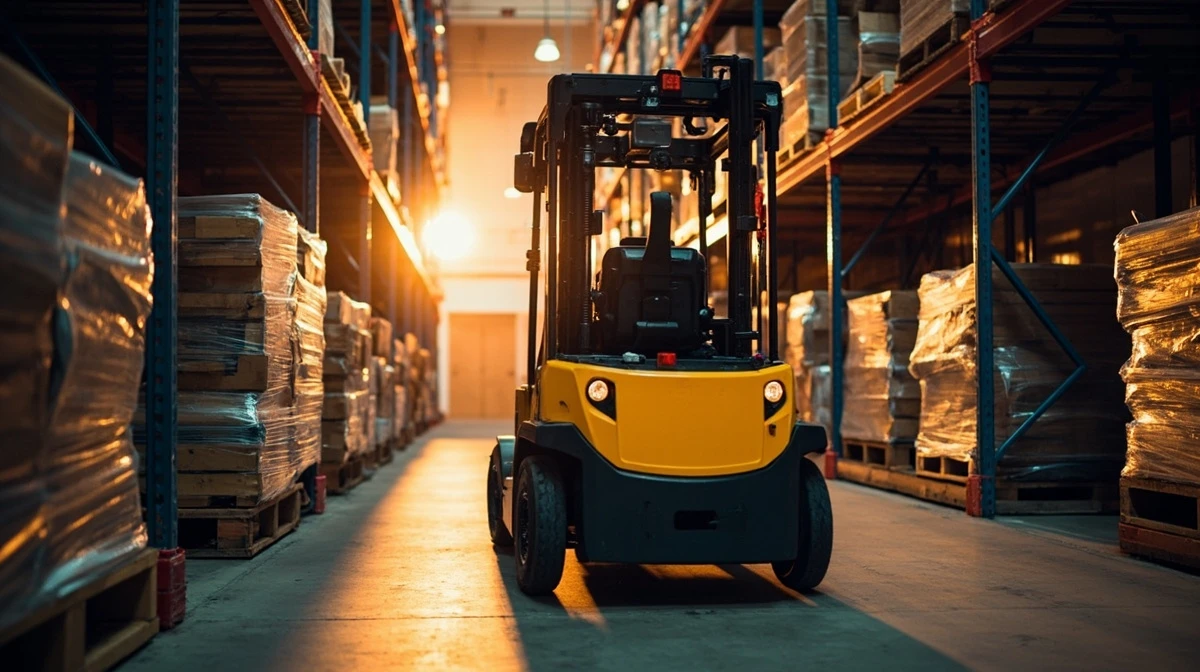
Many warehouses use electric forklifts alongside hoists for tasks that a fork cannot handle — lifting an engine, positioning a mould or moving a heavy component onto a bench. Impetus supplies electric forklifts from the FB15 to the FB100, including lithium-powered models suited to indoor operations where exhaust fumes are unacceptable. When pairing a hoist with a forklift, confirm that the attachment and hoist mounting are rated for the combined load and that the forklift's capacity at the required load centre is not exceeded. For heavy or specialised lifts, a purpose-built attachment is safer than an improvised sling.
If you are planning a new lifting station or replacing an existing hoist, review the full range of Impetus forklifts and equipment and discuss the load, lift height and duty cycle with our team. We can help you match the hoist and forklift configuration to your actual workflow.
FAQ
How often should an electric hoist chain be replaced?
Replacement depends on wear, not on a fixed calendar. Inspect the chain regularly and measure elongation against the hoist manufacturer's limit. If the chain is stretched beyond that limit, or shows cracks, corrosion or deformed links, replace it — and inspect the sprocket at the same time, because a worn sprocket will quickly damage a new chain.
Can I use any chain that fits the hoist sprocket?
No. Chain grade, pitch and link geometry are engineered for a specific hoist. A chain that physically fits may have insufficient fatigue strength or the wrong surface hardness, leading to premature failure. Always use replacement chain specified by the hoist manufacturer or a supplier who can confirm grade and traceability.
What is the difference between single-fall and multi-fall chain hoists?
In a single-fall hoist, one chain run supports the load, which is typical for lighter capacities. Multi-fall hoists use two or more chain runs to share the load, allowing higher capacities or longer lift heights with a given chain size. The number of falls affects both capacity and lifting speed, so it must be considered when specifying a hoist.
Ready to specify an electric hoist chain or a complete lifting station for your facility? Contact Impetus for a quote and tell us your load, lift height and duty cycle. Our engineers will recommend a configuration that fits your operation and your budget.